A toothache that will not go away can leave you wondering about more than just the pain. Many patients also worry about the cost of treatment and whether saving a damaged tooth is worth the investment. If your dentist has recommended a root canal, it is natural to have questions about pricing, long-term value, and your available options.
At Emerson Dental, our goal is to help patients make informed decisions about their oral health. While every case is unique, a root canal is often one of the most cost-effective ways to preserve your natural smile, avoid more extensive dental work, and restore comfort. Understanding what goes into the cost of treatment can help you see why this procedure is considered an investment in your long-term dental health.
What Determines the Cost of a Root Canal?
There is no single price for a root canal because every patient's situation is different. Several factors influence the total cost, including:
- Which tooth needs treatment. Front teeth generally have fewer canals than molars, making treatment less complex.
- The severity of the infection.
- Whether a dental crown is needed afterward.
- Your dental insurance coverage.
- Any additional procedures required before or after treatment.
During your examination, the team at Emerson Dental will evaluate your tooth, explain your treatment options, and provide a clear estimate before beginning care. Patients also receive guidance regarding insurance benefits and payment options so there are no unexpected surprises.
Why Saving Your Natural Tooth Is Usually the Best Value
When comparing treatment options, it is important to think beyond the initial price.
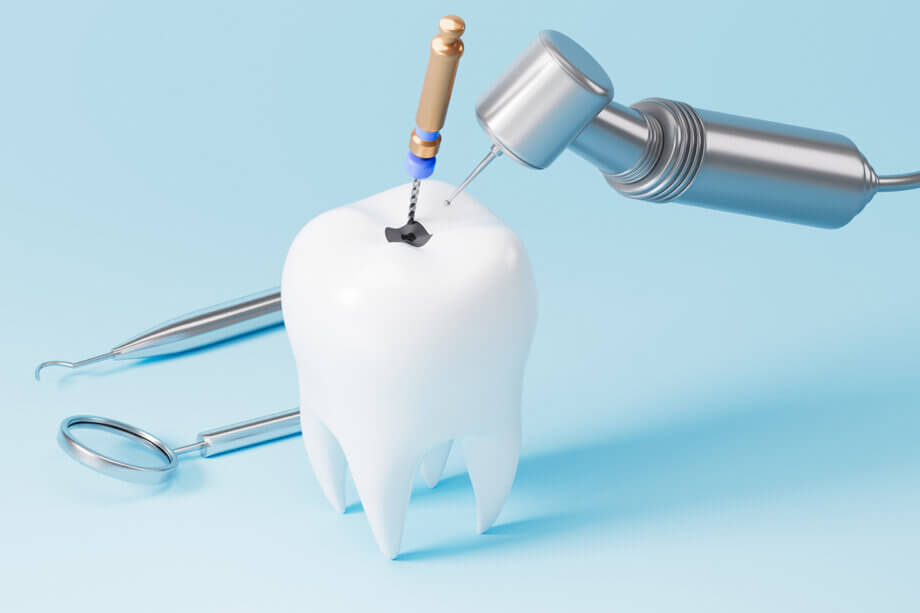
A root canal removes infected tissue from inside the tooth while preserving the healthy outer structure. Once the tooth is restored with a filling or crown, it can continue functioning much like your natural tooth for many years with proper care.
Choosing to save your tooth offers several important benefits:
- Maintains your natural bite.
- Preserves surrounding teeth from shifting.
- Helps maintain normal chewing function.
- Supports your facial structure.
- Eliminates infection while keeping the tooth in place.
By contrast, extracting a tooth may seem less expensive initially, but replacing that missing tooth often requires additional treatment such as a bridge, partial denture, or dental implant. Those procedures can significantly increase your overall dental costs over time.
What Happens If You Delay Treatment?
Many patients postpone treatment because they hope the discomfort will disappear or because they are worried about the cost. Unfortunately, dental infections rarely heal on their own. Without treatment, the infection can continue spreading inside the tooth and into the surrounding tissues.
As the damage progresses, you may experience:
- Increasing pain
- Swelling
- Abscess formation
- Difficulty chewing
- Loss of the affected tooth
- More expensive restorative procedures later
Treating the problem early often helps preserve more of the tooth while avoiding additional complications and expenses. At Emerson Dental, patients experiencing tooth pain are encouraged to schedule an evaluation promptly so problems can be addressed before they become more serious.
What Is Included in Root Canal Treatment?
Many people imagine a root canal as one single procedure, but successful treatment involves several carefully planned steps.
Your visit typically includes:
- Digital examination and diagnosis
- Local anesthesia to maximize comfort
- Removal of infected pulp tissue
- Cleaning and disinfecting the root canals
- Filling the canals with a specialized material
- Sealing the tooth
- Placement of a permanent restoration when appropriate
For many teeth, especially molars, a dental crown is recommended after the root canal to strengthen the tooth and protect it from future fractures.
Modern techniques and advanced equipment allow the Emerson Dental team to complete root canal treatment while focusing on patient comfort throughout the procedure. Sedation options may also be available for patients who experience dental anxiety.
Comparing the Cost of a Root Canal to Tooth Replacement
One of the easiest ways to understand the value of root canal treatment is to compare it with the alternatives. If a damaged tooth is extracted, replacing it often involves multiple appointments and additional procedures.
Possible replacement options include:
- Dental implants
- Dental bridges
- Partial dentures
Each option carries its own costs, maintenance requirements, and long-term considerations.
Whenever possible, preserving your natural tooth remains the most conservative solution. Natural teeth provide the best chewing function, require no adaptation period, and help maintain healthy bone and surrounding teeth. For many patients, investing in a root canal today helps prevent significantly higher costs in the future.
Does Dental Insurance Help Cover Root Canal Costs?
Many dental insurance plans provide benefits for medically necessary restorative procedures, including root canals. Coverage varies depending on your specific plan, annual maximums, deductibles, and whether a crown is also required.
The team at Emerson Dental works closely with patients to verify insurance benefits, explain expected out-of-pocket expenses, and help maximize available coverage before treatment begins. They also discuss financial policies and payment arrangements to make recommended care more manageable.
The Long-Term Value of Preventing Tooth Loss
The benefits of saving a tooth extend well beyond today's appointment. Keeping your natural tooth helps protect your overall oral health by maintaining proper alignment and reducing unnecessary stress on neighboring teeth.
Long-term advantages include:
- Better chewing efficiency
- Easier speech
- Reduced risk of shifting teeth
- Lower likelihood of future restorative treatment
- More natural appearance
- Greater overall comfort
With regular brushing, flossing, professional cleanings, and routine dental exams, many root canal treated teeth remain healthy for decades. That makes the procedure one of the most valuable investments you can make in preserving your smile.
Why Patients Choose Emerson Dental for Root Canal Treatment
Choosing where to receive treatment is just as important as deciding to move forward with the procedure.
Emerson Dental provides comprehensive dental care using modern technology while emphasizing patient comfort throughout every visit. Dr. Mary Guzek and the experienced team treat patients of all ages and focus on providing personalized care in a welcoming environment. From your initial evaluation through your final restoration, every step is designed to help you feel informed, comfortable, and confident in your treatment decisions.
If you have persistent tooth pain or have been told you may need a root canal, scheduling an evaluation promptly can help preserve your natural tooth and prevent more extensive treatment later.
Frequently Asked Questions About Root Canals
Is a root canal less expensive than a dental implant?
In many cases, yes. While treatment costs vary, saving a natural tooth with a root canal is often less expensive than extracting the tooth and replacing it with a dental implant or bridge.
Will I need a crown after my root canal?
Many patients do, particularly when a back tooth has been treated. A crown helps strengthen the remaining tooth structure and protects it from future fractures. Your dentist will recommend the best restoration based on your specific case.
Does a root canal hurt?
Modern root canal treatment is designed to be comfortable. Local anesthesia and available comfort options allow most patients to experience little more discomfort than they would during a routine filling.
Can a root canal fail and need to be redone?
Although most root canals are highly successful, a treated tooth can occasionally develop a new infection due to new decay, a cracked tooth, or complex canal anatomy. If this happens, your dentist can evaluate the tooth and recommend retreatment or another appropriate solution to preserve your oral health.
How long does a root canal treated tooth last?
With proper brushing, flossing, regular dental checkups, and a well fitting restoration such as a crown when recommended, a root canal treated tooth can last for many years or even a lifetime. Maintaining good oral hygiene is the best way to protect your investment and keep your smile healthy.
At Emerson Dental, we believe preserving your natural teeth whenever possible is one of the best investments you can make in your long-term oral health. Our experienced team provides compassionate, modern dental care while helping patients understand every treatment option available. Contact us at our Westford office (978-399-0017) or our Bedford office (978-399-0017) to schedule your consultation and learn whether root canal treatment is the right solution for your smile.